
The thirty billion that has not switched on yet
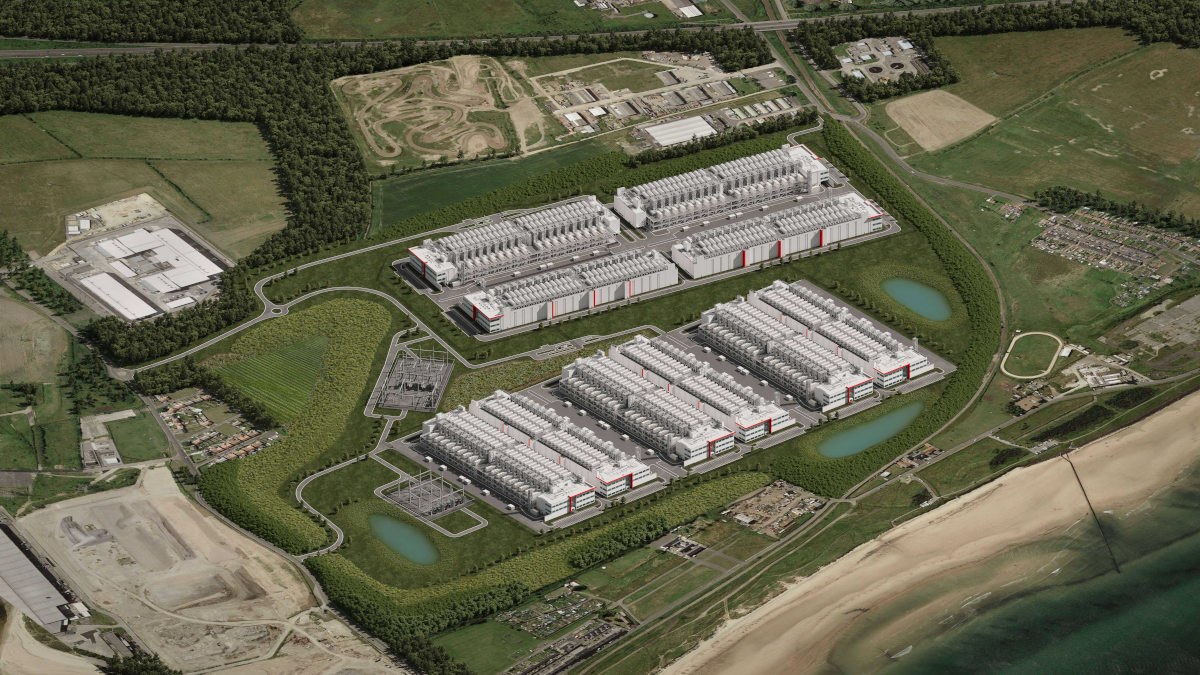
In January 2025, the government said a new supercomputer would be the largest sovereign AI data centre in the UK by the end of 2026. When the Guardian sent someone to look at the site in February 2026, it was still a scaffolding yard.
That is the useful story in the North East AI build, and almost nobody local is telling it. We are still trading press releases about how many billions are coming to Blyth. The more useful question came later, it was quieter, and it came from the people who were doing the building.
The promise itself was large. In September 2025 the government named the North East as the second AI Growth Zone in the country, worth more than £30bn in investment and more than 5,000 jobs, anchored on two sites: Cobalt Park in North Tyneside and the QTS data centre campus at Cambois, just outside Blyth. That part is real and confirmed. OpenAI and NVIDIA were named as partners.
Then the timeline broke. In April 2026 OpenAI paused Stargate UK, the national project those sites were part of. The Guardian put the value of the abandoned deal at £31bn. In September the same paper reported the flagship launch delayed by power supply problems. And in October Microsoft pulled out of its own site at Loughton in Essex, which the Telegraph reported as a blow to Nscale's listing plans.
Two giant companies looked at the same kind of building and walked. So it is worth asking what stopped them, because it was not the money.
It was the grid. The Essex site had already been pushed back from 2026 to the second quarter of 2027, waiting on newer chips and on planning approval, and the reporting on the Microsoft exit ties that withdrawal directly to connection delays. A data centre is a building that needs more electricity than the local network can currently deliver. Once that is true, everything else stops being the bottleneck. The capital was there the whole time. The connection was not.
Here is the honest position if you run a firm your size on this coast. This build is not going to change your tooling decision this year. It might change the local job market in three to five years, if the connection gets sorted and the switch gets flipped. Planning your business on the announcement rather than the energisation is how you end up hiring against a market that has not arrived yet.
The rule is simple enough to use on any announcement, anywhere, not just this one. Ask what has been switched on. Not what has been approved, not what has been announced, not what has been committed. A site with a power connection and a planning certificate is a building. Everything before that is a press release with a postcode.
There is a reasonable case for optimism here. The grid problem is a solvable engineering problem, and the money is still committed to it. There is also a reasonable case that the back half of this decade goes differently from the announcement. Both are live, and neither is settled by a headline figure.
That is the part most of the coverage about this coast skips, and it is a better use of a business owner's attention than the billions figure ever was. The European Technology Risk Assessment is the frame for firms who want to walk the rule properly rather than take the headline on trust.
Sources
- North East Mayoral Strategic Authority and BBC, 17 September 2025: designation, £30bn, 5,000 jobs, two sites
- Guardian, 9 March 2026: scaffolding yard visit, February 2026
- Guardian, 9 April 2026: Stargate UK paused, £31bn
- Guardian, 24 September 2026: delay on power supply
- Telegraph, 18 October 2026: Microsoft exit (paywalled, not linked)
This site does not offer financial advice. It offers a way to look at the week in front of you.